Orthopedic Vs. Bone Doctor-Who Should You See?
We've all experienced it-that nagging knee ache, stiff shoulder, or sudden joint pain that disrupts daily life. At that moment, one big question arises: Do I need an orthopedic surgeon or just a bone specialist? The choice can be confusing, but the right one can save you time, money, and unnecessary treatment.
By the end of this blog, you'll know exactly who to consult based on your symptoms. Whether it's mild discomfort or something more serious, you'll feel confident about taking the next step toward recovery.
We'll break down who treats what, when to see a bone specialist, when to visit an orthopedic surgeon, and how to know the difference between the two. You'll also see how DR. GK ADVANCED BONE AND JOINT CARE-best bone doctor near me can be the right place for trusted, expert care.
THE PAIN POINT: WHOM DO YOU CALL FIRST?
When pain hits, we want relief and fast. But rushing to the wrong specialist can delay healing. The first step is understanding who treats what.
A bone specialist typically refers to general practitioners, physiotherapists, or rheumatologists who focus on diagnosing and managing bone or joint issues non-surgically. An orthopedic surgeon is a specialist trained to treat musculoskeletal conditions both medically and surgically. They're often the go-to experts when non-invasive treatment doesn't work or when the issue is complex or trauma-related.
BONE SPECIALIST: THE FIRST LINE OF RELIEF-
A bone specialist is usually your first stop for mild or manageable bone and joint issues. This includes general physicians, rheumatologists, or physiotherapists who focus on non-surgical treatment.
They help with:
- Early-stage arthritis or osteoporosis
- Muscle strains, joint stiffness, or swelling
- Chronic discomfort from posture or overuse
- Rehabilitation and pain management
Their goal is to manage your condition through medication, physiotherapy, and lifestyle changes. If your issue doesn't improve or gets worse, they may refer you to an orthopedic surgeon.
In short: Bone specialists focus on early diagnosis and non-invasive care to prevent conditions from becoming severe.
ORTHOPEDIC SURGEON: THE EXPERT FOR DEEPER DAMAGE-
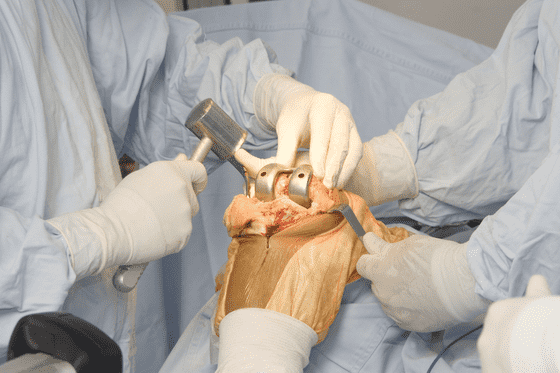
An orthopedic surgeon treats more serious or complex bone and joint problems-especially those requiring surgery or advanced diagnosis.
They handle:
- Fractures, dislocations, and torn ligaments
- Joint replacements and advanced arthritis
- Spinal injuries and herniated discs
- Sports injuries and chronic orthopedic pain
Orthopedic surgeons can offer both non-surgical and surgical solutions, using tools like X-rays, MRIs, and arthroscopy to find the best treatment.
In short: If your condition is severe, long-term, or unresponsive to basic treatment, an orthopedic surgeon is the right choice.
DIAGNOSIS VS. SURGICAL DECISION: WHO HANDLES WHAT?
Understanding who does what is crucial. Here's a quick breakdown:
-
Bone Specialists: Diagnose symptoms and treat
with medication, therapy, or other non-surgical methods. They
focus on pain management and long-term joint health.
-
Orthopedic Surgeons: Diagnose as well, but
have the added capability to perform surgery if needed. They
treat conditions that don't respond to conservative methods or
involve physical damage.
Many times, a bone specialist will refer you to an orthopedic surgeon if they suspect structural damage or if your symptoms persist despite treatment.
REAL-LIFE SCENARIOS: WHO TREATS WHAT?
Here are some everyday examples to help you decide:
- You have neck stiffness from working long hours → Visit a bone specialist (might suggest posture correction and physiotherapy).
- You twisted your ankle during a game and can't walk properly → Go to an orthopedic surgeon (to rule out ligament tear or fracture).
- You have early-stage arthritis with minor swelling → A bone specialist can manage it with medication and lifestyle changes.
-
Your shoulder pain hasn't improved in months and limits
movement → Time to see an orthopedic surgeon for imaging and
potential surgical advice.
These scenarios show how the right choice depends on the intensity, cause, and duration of your symptoms.
FAQs-
1. Is a bone specialist the same as an orthopedic
doctor?
A bone specialist can be a general or
internal medicine doctor who handles initial bone or joint
complaints. An orthopedic doctor (especially a surgeon) is a
specialist in bone, joint, and muscle care, including surgery.
2. Can I go directly to an orthopedic surgeon?
Yes, you can. If your condition is
serious or not improving with basic care, it's smart to consult
an orthopedic surgeon directly.
3. Does every bone injury require surgery?
No. Many conditions are treated without
surgery. A
4. Who is better for a joint pain-bone specialist or
orthopedic surgeon?
Start with a bone specialist for mild
pain. If the condition worsens or limits movement, an orthopedic
surgeon is your best option.
CONCLUSION-
Knowing the difference between bone specialist and orthopedic doctor is key to getting the right treatment at the right time. Start with a bone specialist for minor issues, and turn to an orthopedic surgeon for more serious injuries or ongoing pain. The goal is to act early and avoid complications later. And if you're still unsure, trust the best. DR. GK ADVANCED BONE AND JOINT CARE-best bone doctor near me combines advanced diagnostics, non-surgical expertise, and world-class orthopedic care to offer comprehensive solutions for your bone and joint health. Book your consultation today!